The Best Grass Types for Cape Cod's Coastal Climate
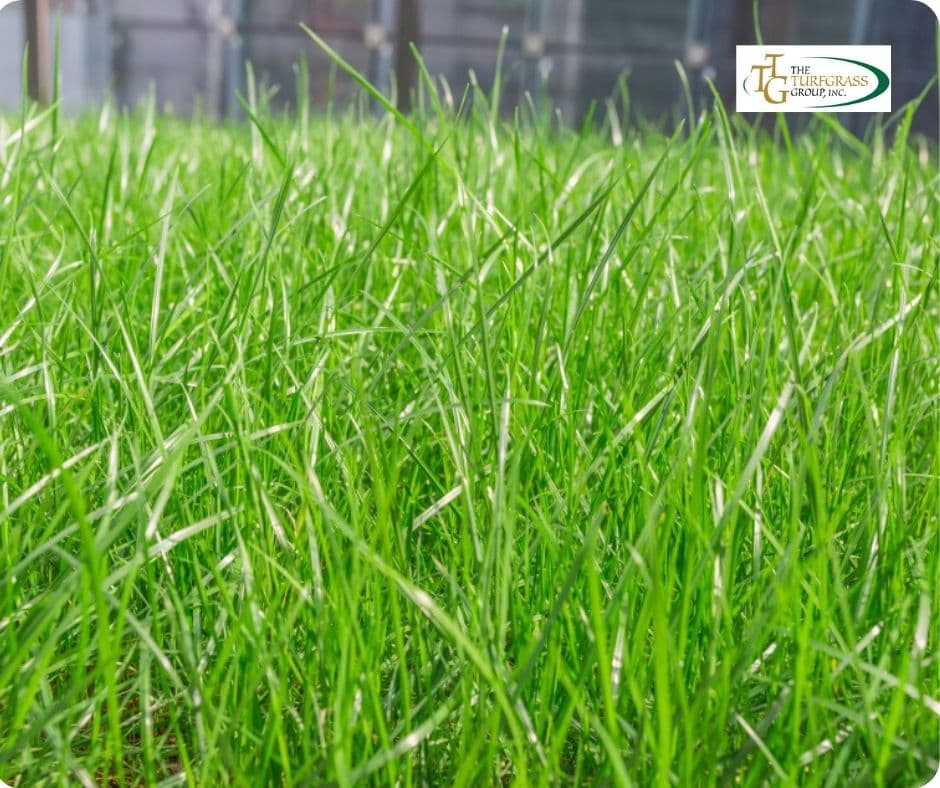
Why Standard Grass Seed Blends Don't Work Here
Walk into any big-box store on Cape Cod and you'll find generic Northeast grass seed blends designed for average New England conditions. The problem: Cape Cod's sandy, fast-draining soil, salt air exposure, and relatively mild winters create a microclimate that rewards different grass types. Using the wrong blend leads to lawns that green up fine in spring but fade badly by August.
Fine Fescues: The Cape Cod Workhorse
Fine fescues — particularly creeping red fescue and hard fescue — are the best performers on Cape Cod. They tolerate sandy, low-fertility soil better than any other cool-season grass, require less water once established, and maintain color during the summer dry periods that Cape Cod regularly sees in July and August. They also tolerate light salt spray better than bluegrass or ryegrass.
Turf-Type Tall Fescue for High-Traffic Areas
For areas with heavy foot traffic — around pools, along pathways, in backyards where kids play — turf-type tall fescue adds durability. Its deep root system handles drought and recovers from wear better than fine fescues. Mix it into your seeding program at 20-30% for areas that see real use, while keeping fine fescues dominant in the rest of the lawn.
What to Avoid
Annual ryegrass should be avoided entirely — it's cheap, germinates fast, and dies after one season, leaving bare patches. Kentucky bluegrass struggles in Cape Cod's sandy soil and salt air without significant irrigation and fertilization inputs that conflict with the region's nitrogen management goals. Zoysia and bermuda grass are warm-season grasses that cannot survive a Cape Cod winter and should not be planted regardless of what a sales pitch says.