Fall Cleanup: Preparing Your Cape Cod Property for Winter
Leaf Removal: More Important Than You Think
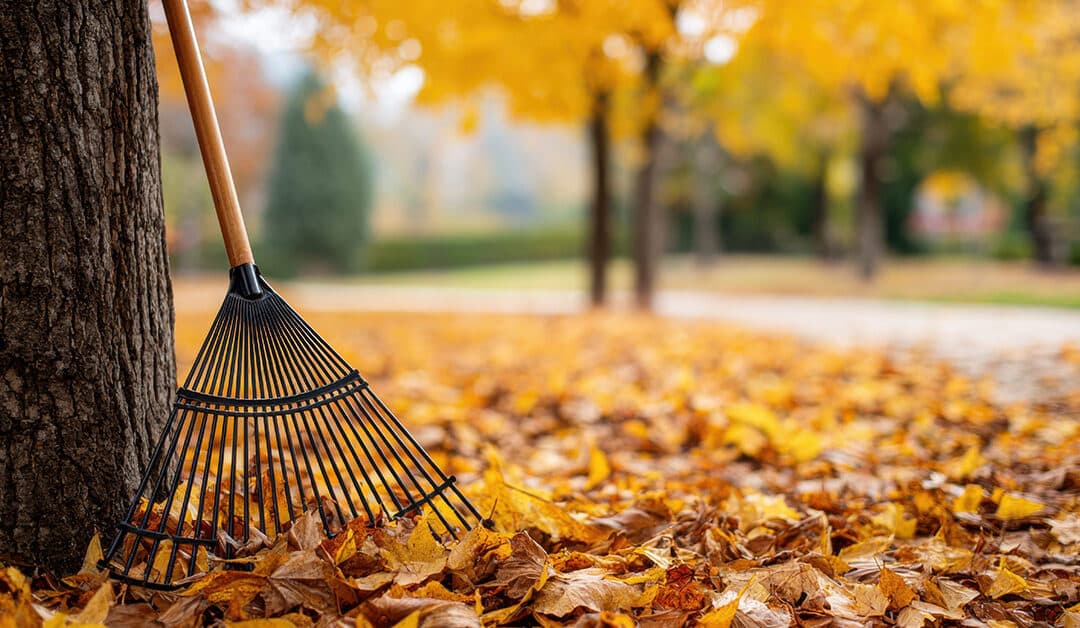
Leaves left on a lawn over winter mat down and block light, creating ideal conditions for snow mold — a fungal disease that can devastate turf over the cold months. On Cape Cod, where damp Atlantic weather keeps conditions moist well into November, the risk is especially high. Remove leaves promptly as they fall, or have them mulched fine enough that they decompose before matting occurs.
Final Fertilization: The Most Important Application of the Year
A late-season fertilizer application — applied in late October or early November, just before the lawn goes dormant — is the single most impactful treatment you can give a Cape Cod lawn. The grass roots continue to absorb nutrients even after the blades stop growing, storing them over winter for a strong early-spring green-up. Our organic fall fertilizer is specifically formulated for slow winter nutrient release without the leaching risk of quick-release synthetics.
Protect Your Irrigation System
Irrigation winterization — blowing out the system with compressed air — must be done before the first hard frost. On Cape Cod, that's typically in late October to early November. Water left in irrigation lines freezes, expands, and cracks pipes and fittings. A professional winterization takes about an hour and costs a fraction of the repair bill from a cracked main line.
Shrub and Tree Winterization
Wrap young arborvitae and columnar evergreens with burlap to protect them from the combination of salt air and winter winds that cause winter burn on exposed Cape Cod properties. Stake newly planted trees to prevent root rocking in winter storms. Apply anti-desiccant spray to broadleaf evergreens like rhododendrons to reduce moisture loss through the leaves during periods of frozen ground.