Native Plants for a Beautiful Cape Cod Landscape
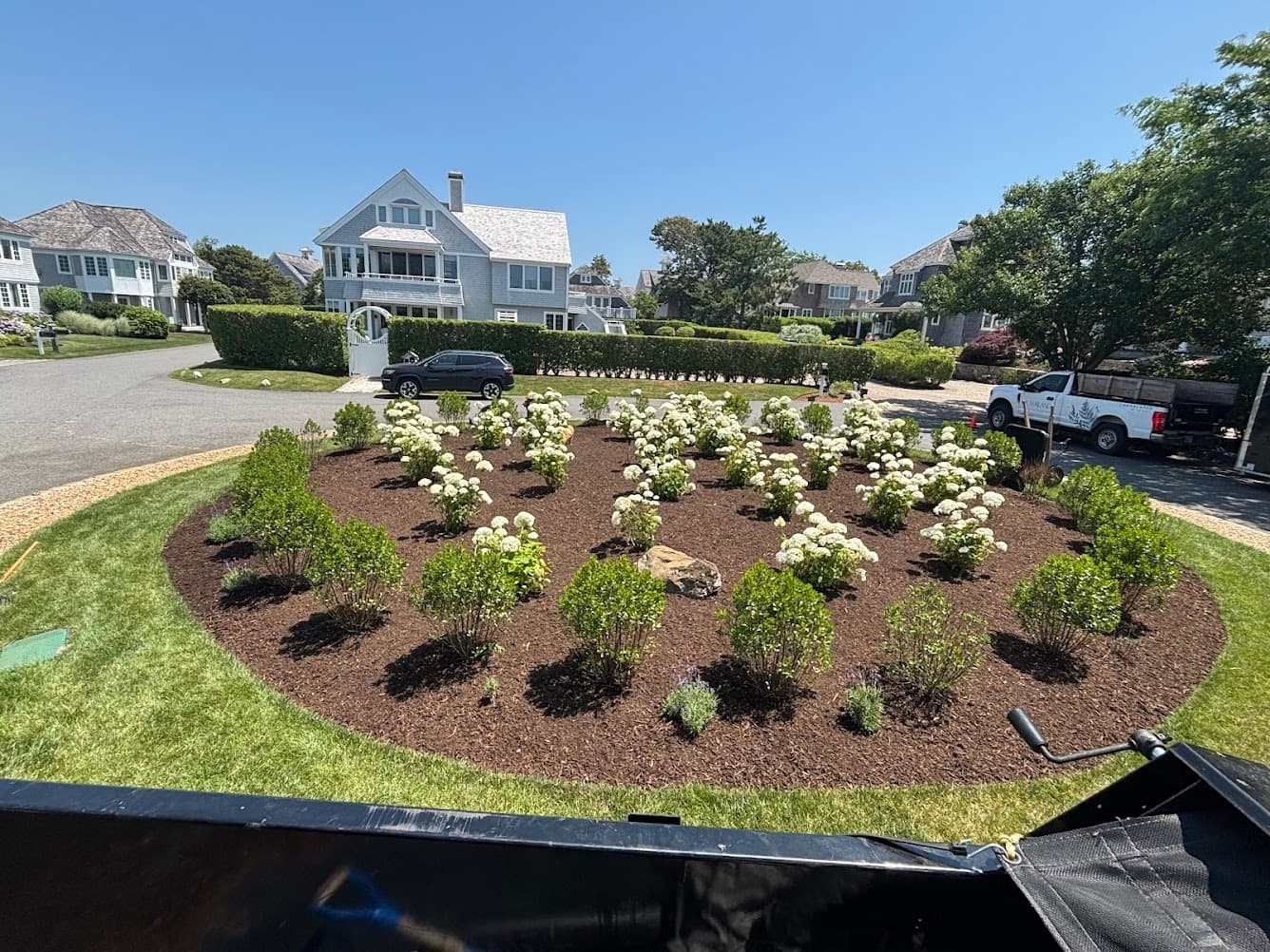
Why Native Plants Belong in Every Cape Cod Garden
Native plants evolved alongside Cape Cod's soils, rainfall patterns, and wildlife over thousands of years. They require less water once established (no irrigation during normal rainfall years), need little or no fertilizer, and are naturally resistant to most local pests and diseases. They also support local pollinators — bees, butterflies, and hummingbirds — in ways that non-native ornamentals simply can't match.
Top Native Shrubs for Cape Cod
Bayberry (Morella pensylvanica) is perhaps the quintessential Cape Cod native — salt-tolerant, deer-resistant, and attractive to birds who feed on its waxy berries. Beach plum (Prunus maritima) offers spectacular spring bloom and edible fruit. Inkberry holly (Ilex glabra) provides year-round structure with black berries that persist through winter. Sweetfern (Comptonia peregrina) fixes nitrogen in poor sandy soil and spreads into a low-maintenance groundcover.
Native Perennials That Thrive Here
Little bluestem (Schizachyrium scoparium) is a native ornamental grass that turns brilliant copper-red in fall and stands attractive through winter. Black-eyed Susan (Rudbeckia hirta) blooms prolifically from July through frost with zero care. New England aster (Symphyotrichum novae-angliae) provides critical late-season nectar for migrating monarchs. Wild blue lupine (Lupinus perennis) is particularly adapted to Cape Cod's poor sandy soil where it actually performs better than in rich garden beds.
Replacing Invasive Plants
Many Cape Cod properties are overrun with invasive plants — Japanese barberry, multiflora rose, autumn olive, and bittersweet are common offenders. These crowd out natives, reduce habitat value, and spread into surrounding conservation land. Removing invasives and replacing them with natives is one of the highest-impact things a Cape Cod property owner can do — for the landscape's long-term health and for the broader regional ecosystem.