Organic Fertilization: Why It's Better for Cape Cod's Ecosystem
The Problem with Synthetic Fertilizers Near the Water
Cape Cod sits surrounded by some of the most ecologically sensitive coastline in New England. Barnstable County's bays, salt marshes, and kettle ponds are directly downstream from residential lawns. Synthetic nitrogen fertilizers dissolve quickly in rain and irrigation — and on Cape Cod's sandy, porous soil, they leach rapidly into the groundwater and eventually into coastal waters, contributing to harmful algal blooms and oxygen-depleted dead zones.
How Organic Fertilization Works Differently
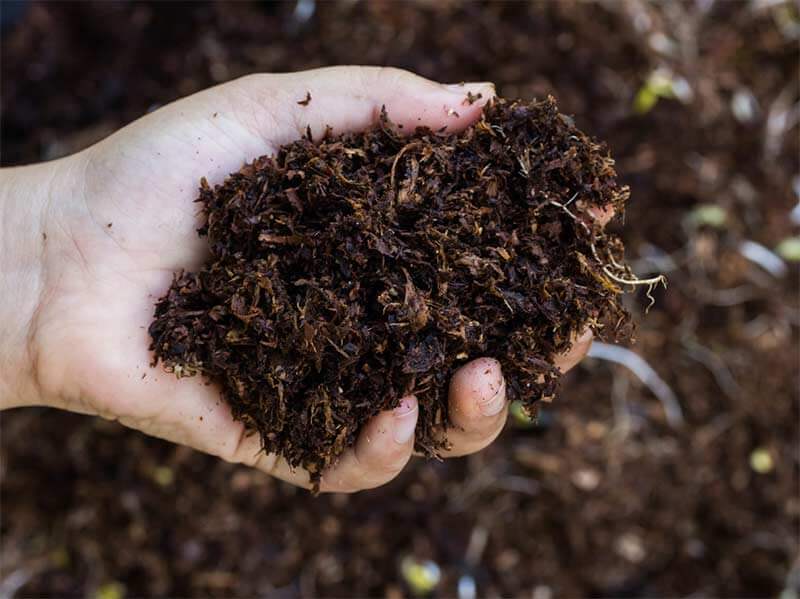
Organic fertilizers — derived from composted plant material, bone meal, kelp, and other natural sources — release nutrients slowly as soil microbes break them down. This means your lawn gets fed gradually throughout the growing season rather than in spikes that grass can't fully absorb. The result is a lawn that stays green longer, develops deeper roots, and requires less water.
The Local Requirement
Many Cape Cod towns have adopted nitrogen management regulations under the Barnstable County Fertilizer Management Plan. Some municipalities now restrict high-nitrogen synthetic fertilizers entirely near coastal resource areas. Organic fertilization programs are fully compliant — and often exceed regulatory requirements — protecting both your property and the local ecosystem you enjoy.
What Results to Expect
Our organic fertilization program at Sofkin Landscaping uses a customized 5-application schedule tuned to Cape Cod's growing season. Clients typically see noticeably thicker, darker turf within two seasons, reduced weed pressure as grass crowds out competitors, and improved drought tolerance. It's a longer game than synthetic fertilizers — but the lawn that results is genuinely healthier, not just temporarily green.